About Jeremy
Look beyond the usual records. Keep the evidence. Preserve the story.
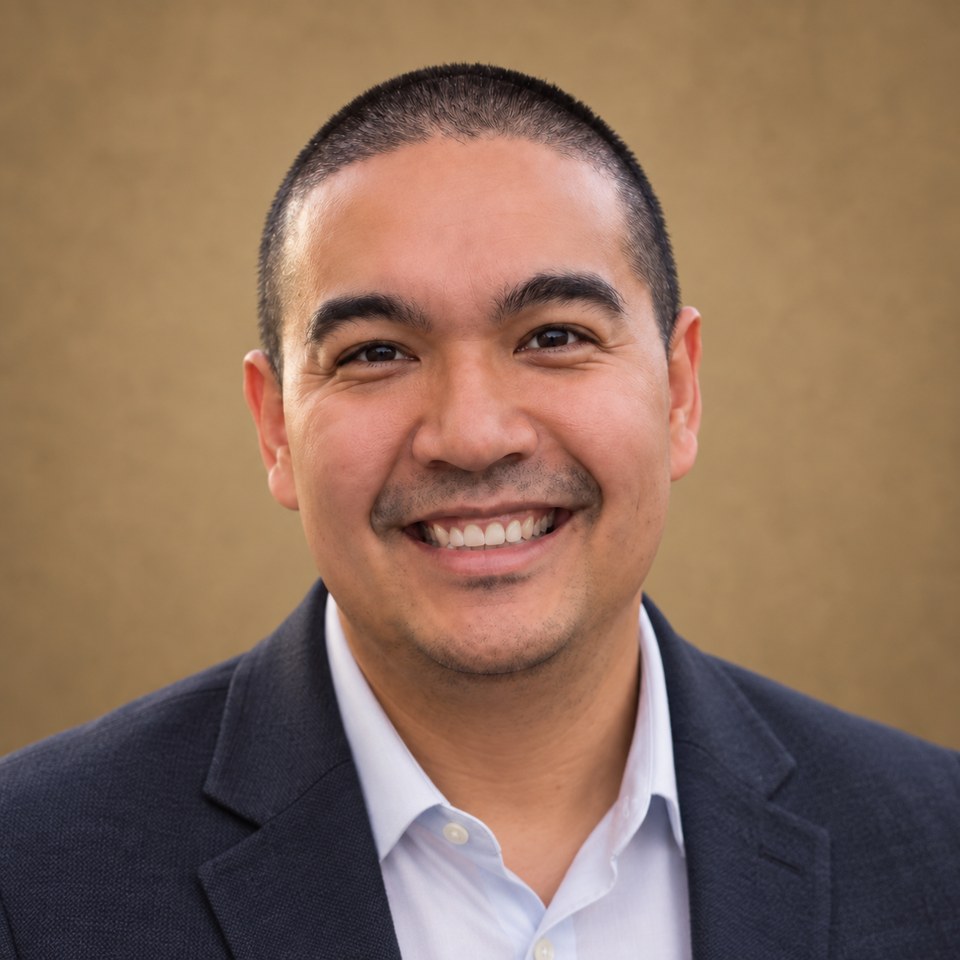
I’m Jeremy VanMeter, creator of Brick Wall Protocol. I bring 10 years of municipal clerk experience to family-history research. That experience shapes the questions I ask: Who created this record? What was it meant to document? Where might it be kept now?
Brick Wall Protocol helps you turn those questions into a research plan, with places to look, practical access instructions and examples that show what the evidence can and cannot establish.
My own research has taken me from Ohio communities and local repositories to family connections in the Philippines and archival documents from Russia. But some of the discoveries that mean the most to me are closer to home: handwritten recipes, family poems, photographs, and memories shared around a kitchen table.
Through Brick Wall Protocol, I share practical research approaches, overlooked sources, and examples from my own work, including questions I haven’t answered yet. I also test AI against historical documents and show where its readings change, where they remain uncertain, and why the original record still needs your attention.
I’m building a family archive for my children, preserving both the documents and the stories that give them meaning. Not everything belongs online. My goal is to share useful methods while respecting the privacy of the people behind the records.
Family history, early on
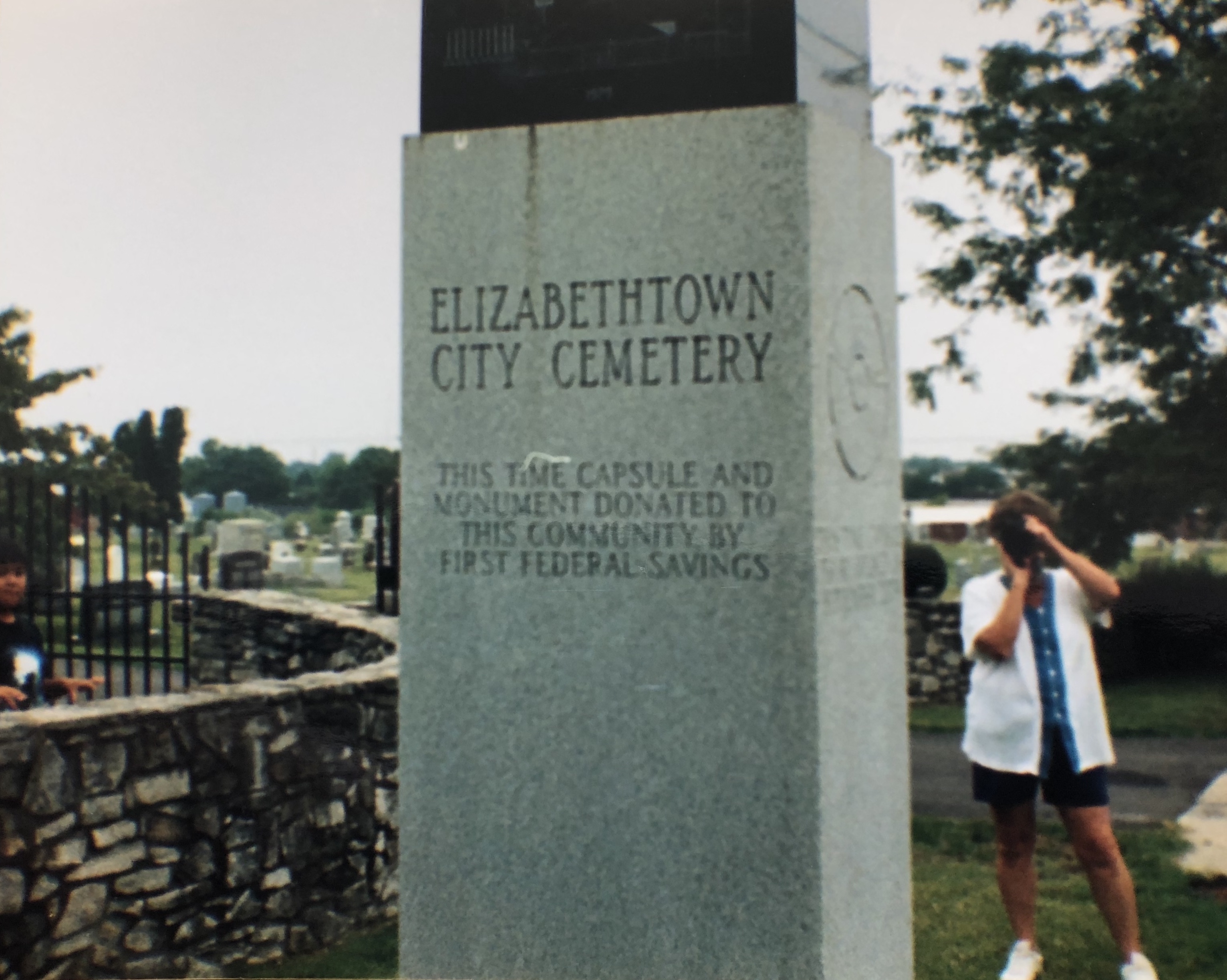
These photographs bring my Kentucky family connections into view: a childhood visit to a historical marker and a cemetery visit with my aunt Gin. They are part of the family archive I’m preserving for my children.
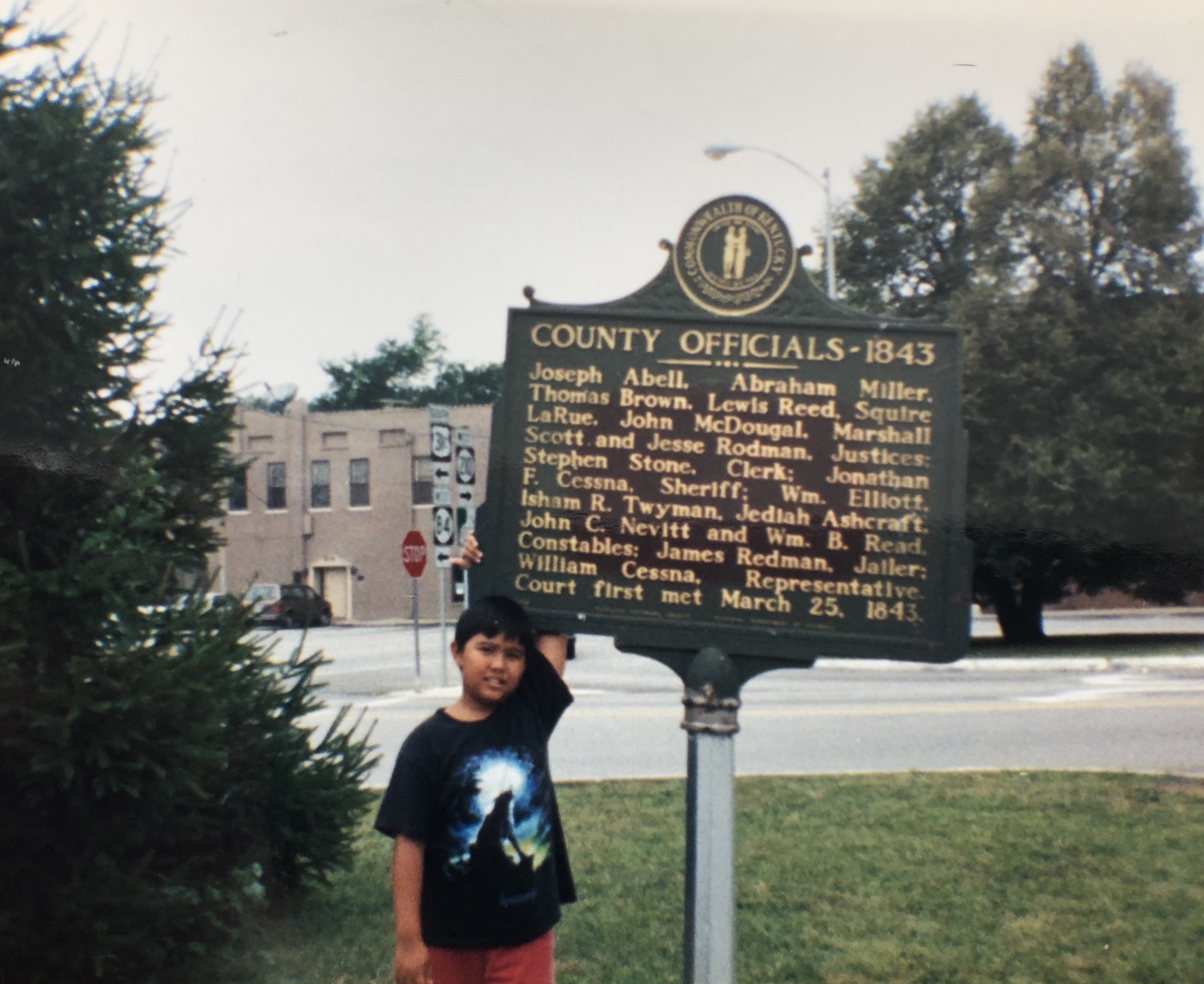
The marker offers a useful research reminder: LaRue County was formed from part of Hardin County on March 1, 1843. A family can appear under a different county name without moving. Read the Kentucky Historical Society’s marker record .
A brick wall is a reason
to change direction.
Go from a promising idea to a practical research session. Every protocol gives you a place to look, steps to take and a way to record what you find.
- 01Define the missing fact.
Name the person, place, period and question. - 02Find who kept the record.
Identify the relevant office, institution or community and check access. - 03Evaluate and record the result.
Preserve the source, distinguish evidence from inference, and leave one next step. Document searches that found nothing, too.